
ICT284: Systems Analysis and Design Assignment, MU, Singapore Identify the main phases of the systems development life cycle (SDLC) and in your “own words” briefly describe their purposes
| University | Murdoch university (MU) |
Question 1
1. Identify the main phases of the systems development life cycle (SDLC) and in your “own words” briefly describe their purposes.
2. List the three (3) triggers for initiating a systems development project, and give an example of each.
3. Many systems development projects fail through being over time, over budget, or notmmeeting the users’ requirements. What are some of the reasons why this happens?
4. What is a critical path? Why is it important for the project manager to watch the tasks onmthe critical path?
5. What is meant by an iterative approach to systems development? Why do many current methodologies employ an iterative approach.
Question 2
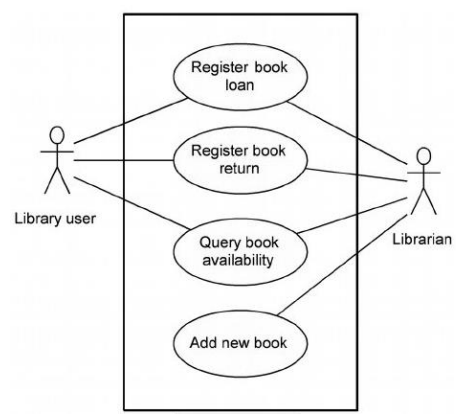
1. Answer the following questions about the diagram below:
i. Name the type of model shown.
ii. Name EACH of the types of symbol used in the model and briefly explain what they represent.
iii. Explain what the model tells us.
2. Answer the following questions about the diagram below: (7 marks)
i. Name the type of model shown.
ii. Name EACH of the types of notation used in the model and briefly say what they represent.
iii. Explain what the model tells us.
3. Draw a use case diagram that shows four (4) examples of use cases that might apply to the actor “Student” using a university Online Enrolment System. Make sure to follow the best practices when developing the diagram.
4. One decision for acquiring the new system is whether to Buy or Build it. Describe two (2) advantages and two (2) disadvantages of EACH of these alternatives.
Question 3
1. Name and describe the three main ways in which a new system can be deployed. In your own words, explain what should be taken into account in choosing a deployment option.
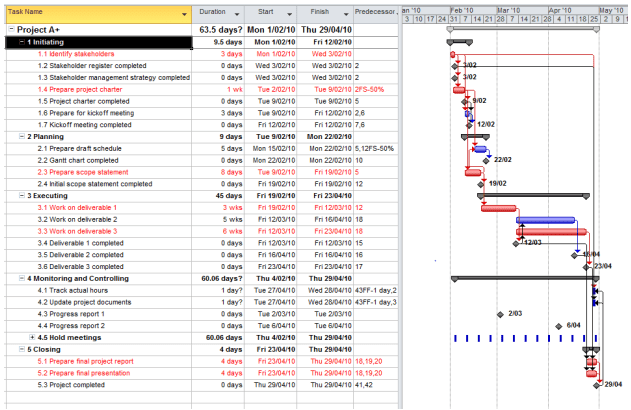
2. Examine the Microsoft Project screenshot below and explain:
i. What slack time is and which tasks in the project have usable slack time.
ii. Why some tasks are shown in red.
iii. What the diamond symbols in ( ) in the chart are called and represent.
3. Two important concepts in user interface design are affordance and visibility. Briefly define each of these concepts and give an example of each.
4. Briefly describe four (4) different types of testing that are carried out during system deployment and implementation.
Buy Custom Answer of This Assessment & Raise Your Grades
Looking for expert assistance with your TMA and individual assignments? Look no further! Our experienced team provides top-notch support to students in Singapore. Whether you're studying at Murdoch University (MU) or any other institution, we've got you covered. From tackling the complexities of ICT284: Systems Analysis and Design to identifying the main phases of the Systems Development Life Cycle (SDLC), our dedicated professionals are here to help. Don't let assignment stress hold you back - pay our experts and experience the difference. Get reliable homework helper assistance and excel in your studies with our trusted assignment help in Singapore.

- ANL252 Python for Data Analytics ECA July 2026: Payment Delay Data Cleaning, Charts and Regression | SUSS
- EG7060 Mental Wealth: Professional Life Coursework 2026: Engineering Management Case Study Report | UEL at LSBF
- SOC252 Religion and Society ECA July 2026: AI Agents and Religious Authority Essay | SUSS
- Information Studies Written Report: Critiquing a ChatGPT Essay on Values, Ethics and IPR | NTU
- BML701 Changing Context of Work: HR&OD Business Report on PESTLE, 6Ps and Change
- ABS103 ECA July 2026: “A Day in the Life” Intelligence Video and Reflection | SUSS
- ICT340 NEA Hawker Centre Inspection ECA July 2026: Application Analysis and Design | SUSS
- Social and New Media Written Report (40%): Website Message and Method Analysis with Strategic Recommendations | Murdoch
- ENG235 AIoT End-of-Course Assessment July 2026: PowerGrid SG Smart Grid and Utilities Case | SUSS
- BME363 ChatEHR End-of-Course Assessment July 2026: Large Language Models in Clinical Care | SUSS